Whilst there are LOTS of different invasive non-native species in the Mersey basin, both plants and animals, Mersey Rivers Trust is focussing on controlling the big three because they have the most detrimental effect on our local habitats and wildlife.
- Himalayan Balsam
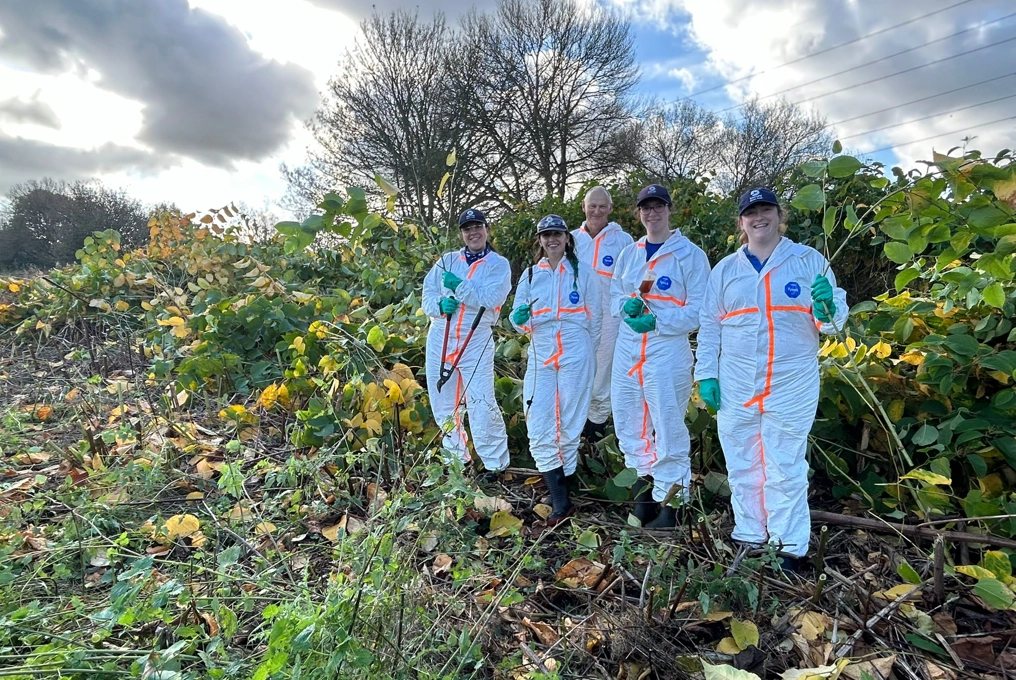
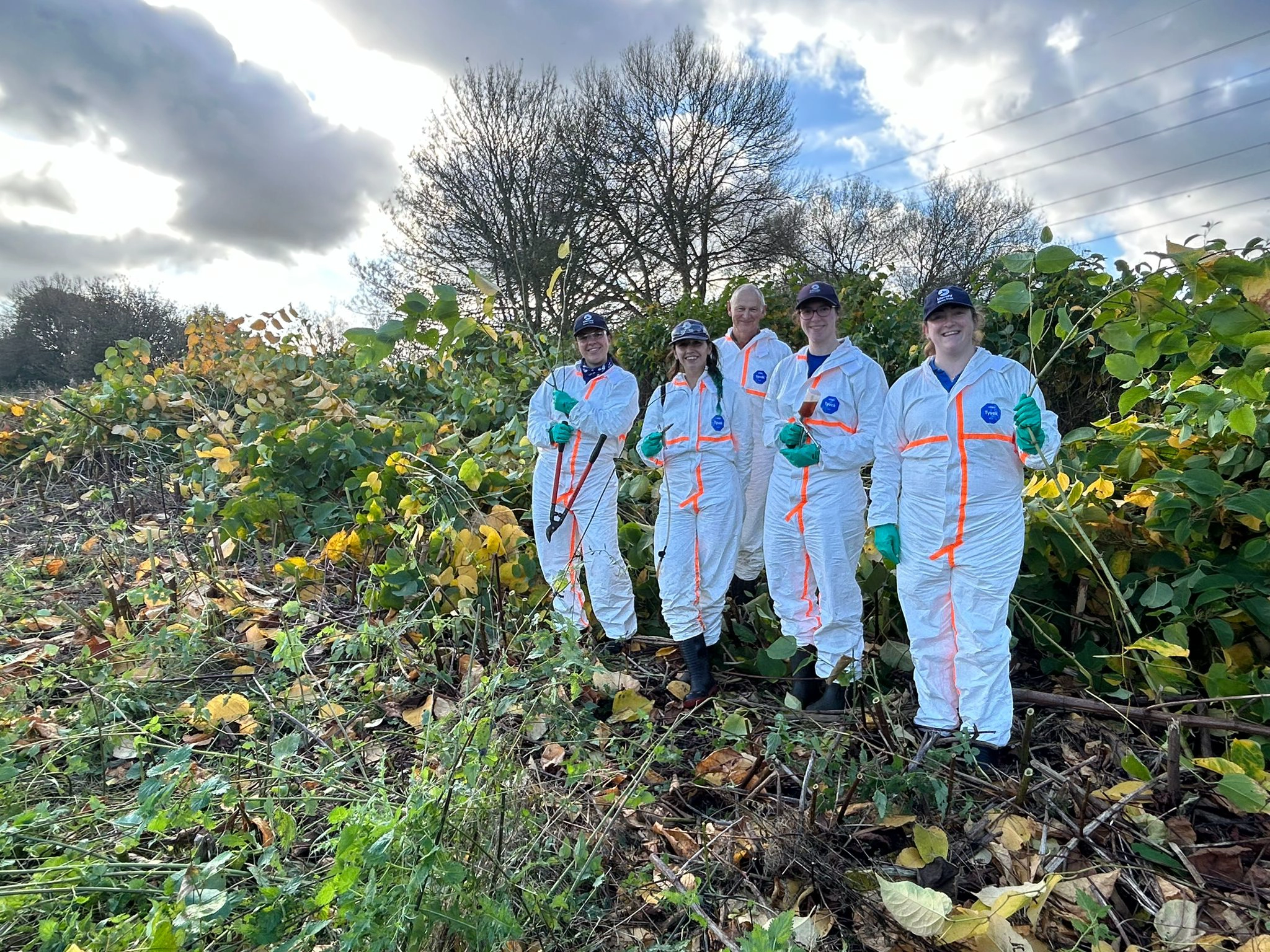
- Japanese Knotweed
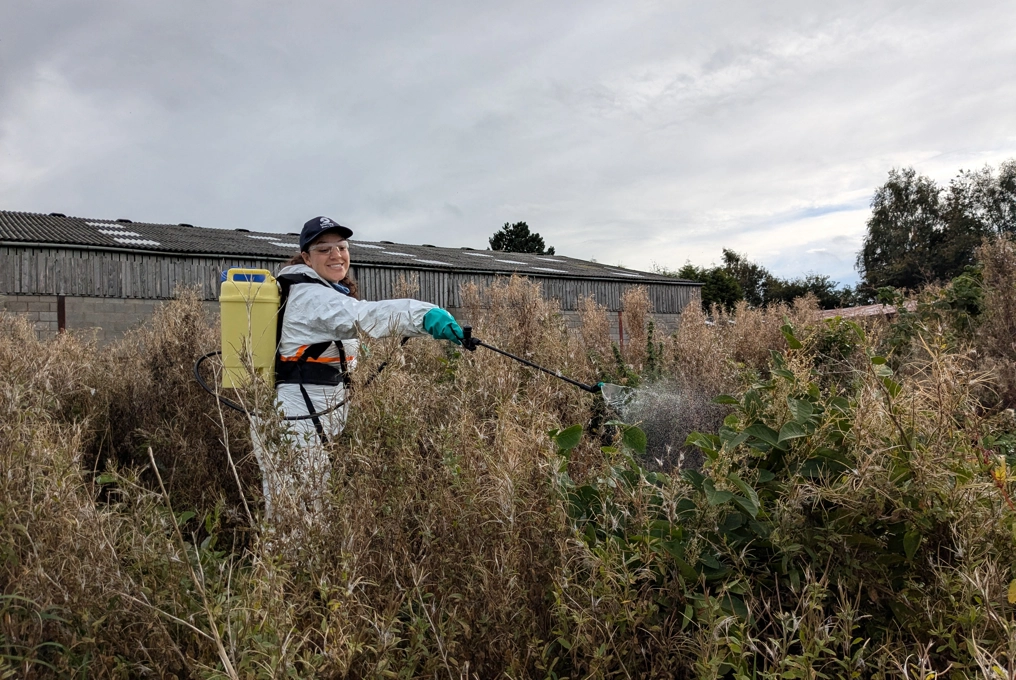
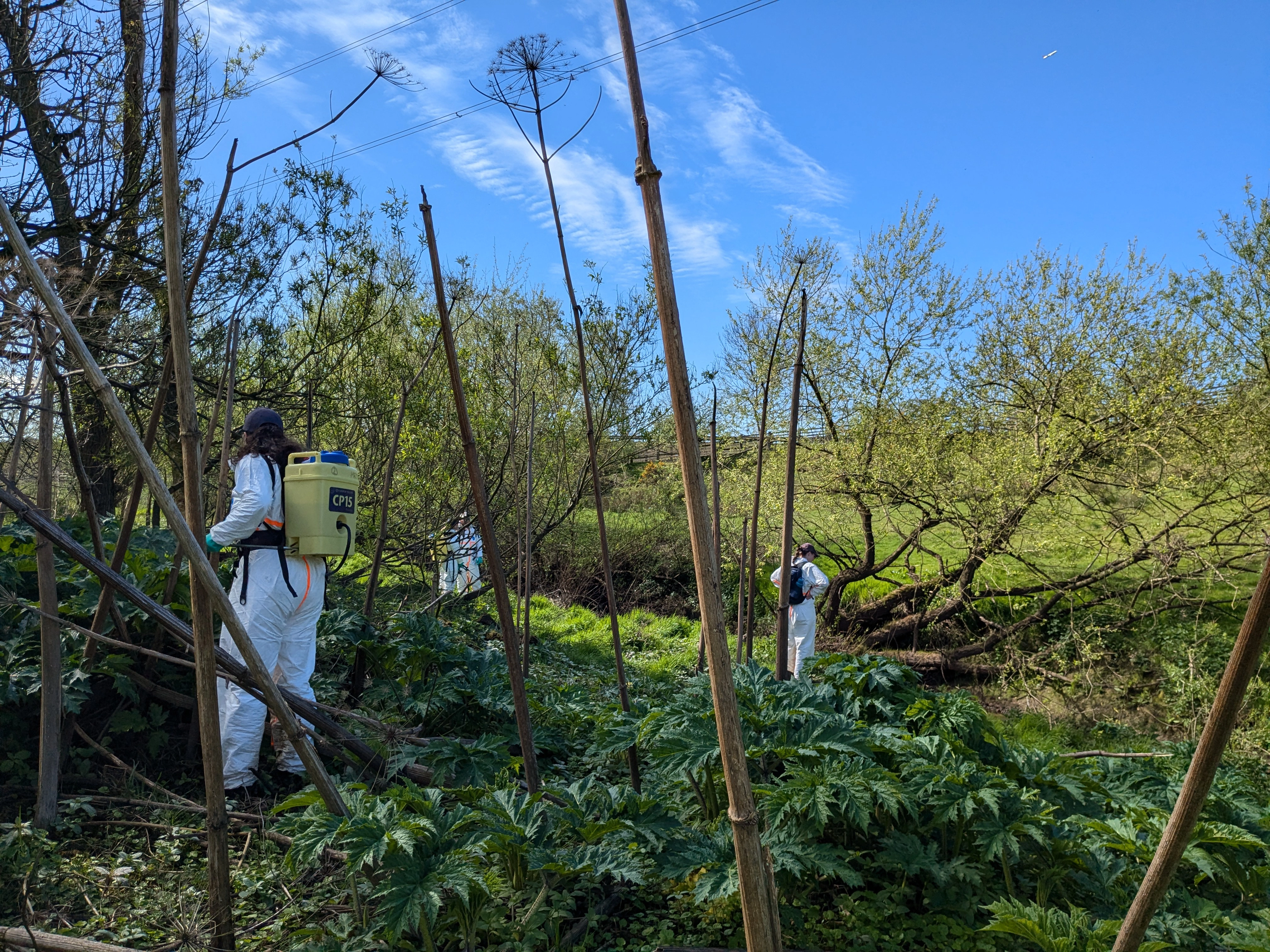
- Giant Hogweed
Biosecurity
Biosecurity means taking steps to make sure that good hygiene practices are in place to reduce and minimise the risk of spreading invasive non-native species. A good biosecurity routine is always essential, even if invasive non-native species are not always apparent.
Biosecurity should be considered at the earliest stage when planning any surveying or control work. Our volunteers and staff are always encouraged to carry out biosecurity measures. Some biosecurity measures can be as simple and as quick as making sure your wellies are clean. For more information on biosecurity in the field click here.
CHECK, CLEAN, DRY…
If you use the rivers and streams for walking, boating, running, cycling, angling or just relaxing then you could be moving non-native invasive species from one place to another.
Make sure after every visit you check your clothes and equipment, clean everything down with water, and allow it to dry out thoroughly. For more information on the Check Clean Dry campaign click here.
BE PLANT WISE…
Invasive aquatic plants can cause many problems when they become established in the wild. Make sure you know what plants you are buying, what grows in your garden and compost any waste with care in order to stop the spread. For more information on the Be Plant Wise campaign click here.

INNS Control on the River Bollin - 2025
The start of the 2025 invasive species control season this year has been a huge success!
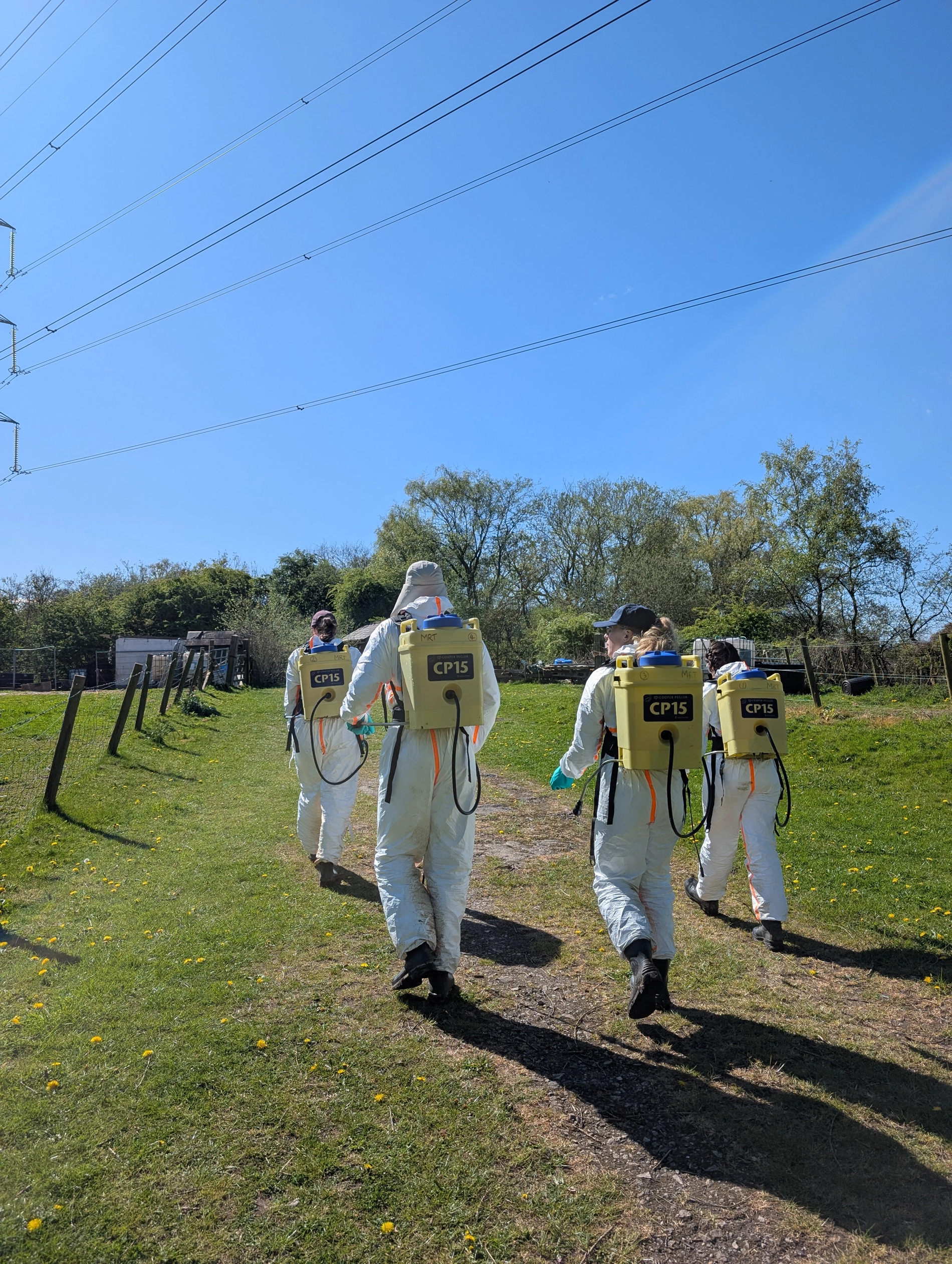
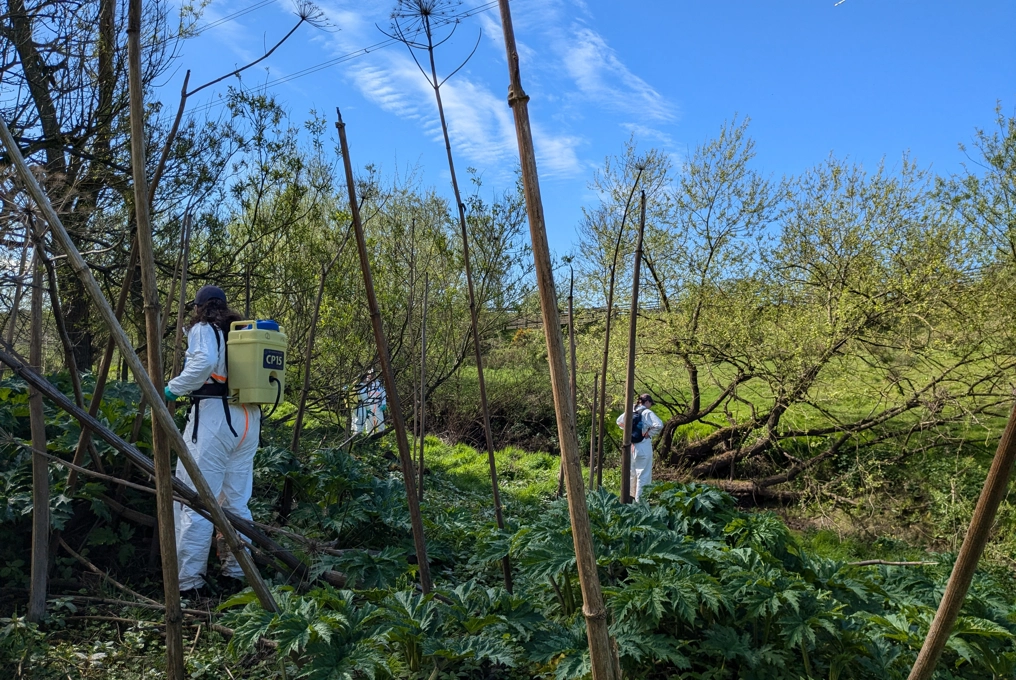
We spent 225 hours controlling Giant Hogweed this spring, and covered 25km of riverbank, including taking on control work at a new site at Bowdon, owned by United Utilities.
We want to thank the landowners, United Utilities and the National Trust who helped to fund this work.
We have spent 221 hours bashing Himalayan Balsam across the Bollin with different education and community groups already this summer.
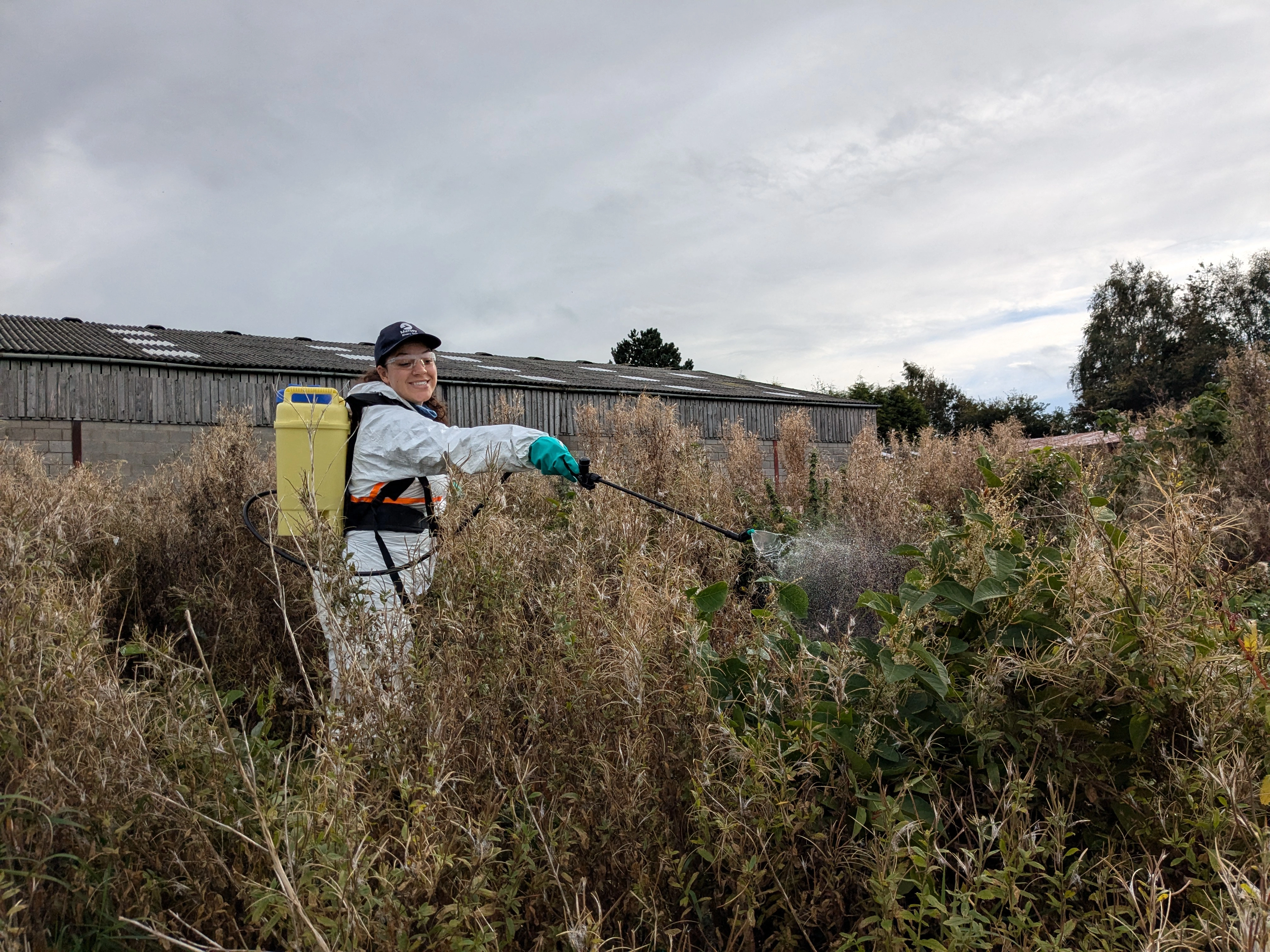
We look forward to starting our Japanese Knotweed control season this Autumn, increasing our control coverage of the Bollin catchment.
Invasive non-native species
Invasive non-native species
Invasive non-native species
Share Article